Back to insights

House design

Design Guide: What You Need to Know About House Interior Design

The original article covers five house-design considerations: Hong Kong's climate, natural light, multifunctional furniture, family needs and storage.

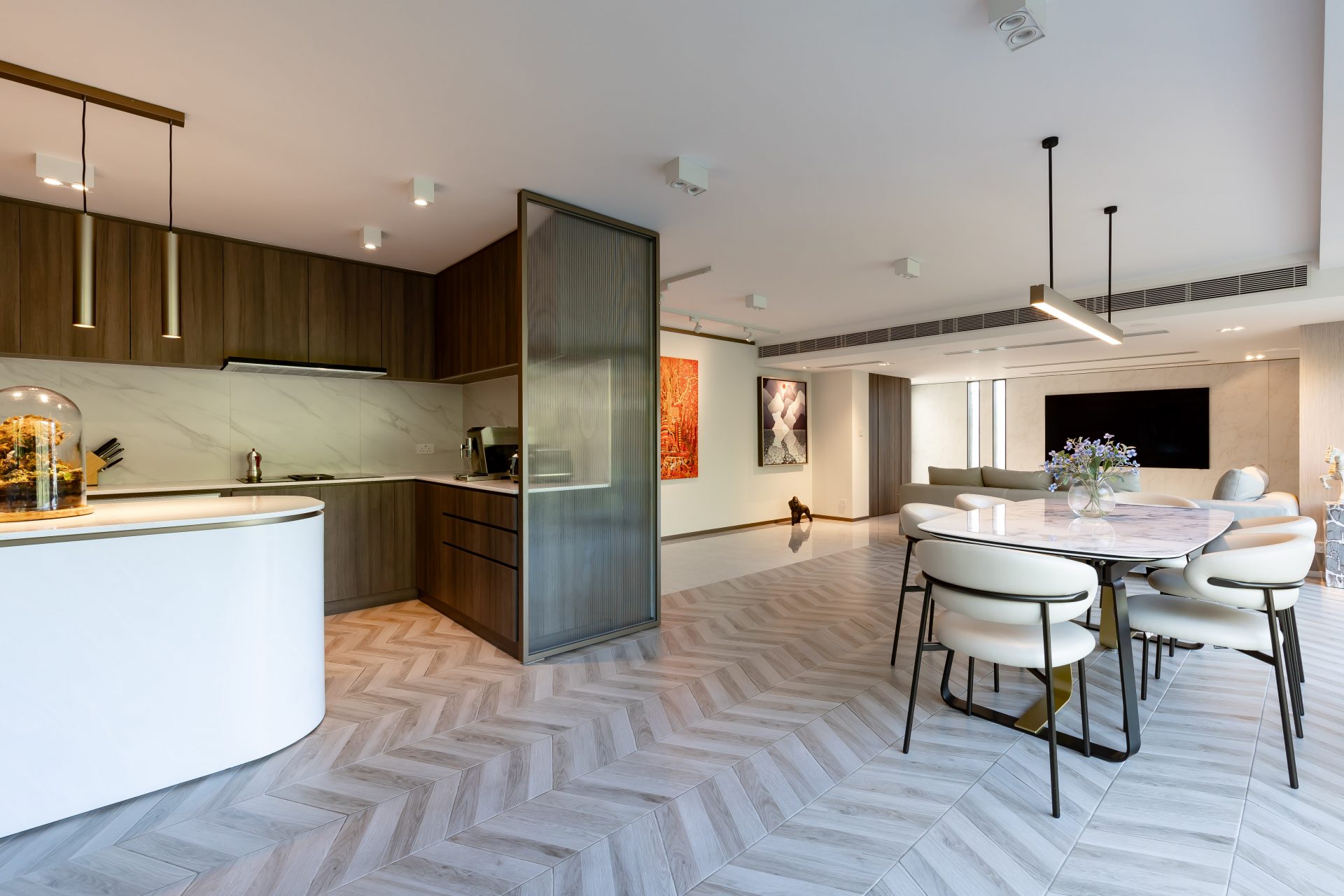
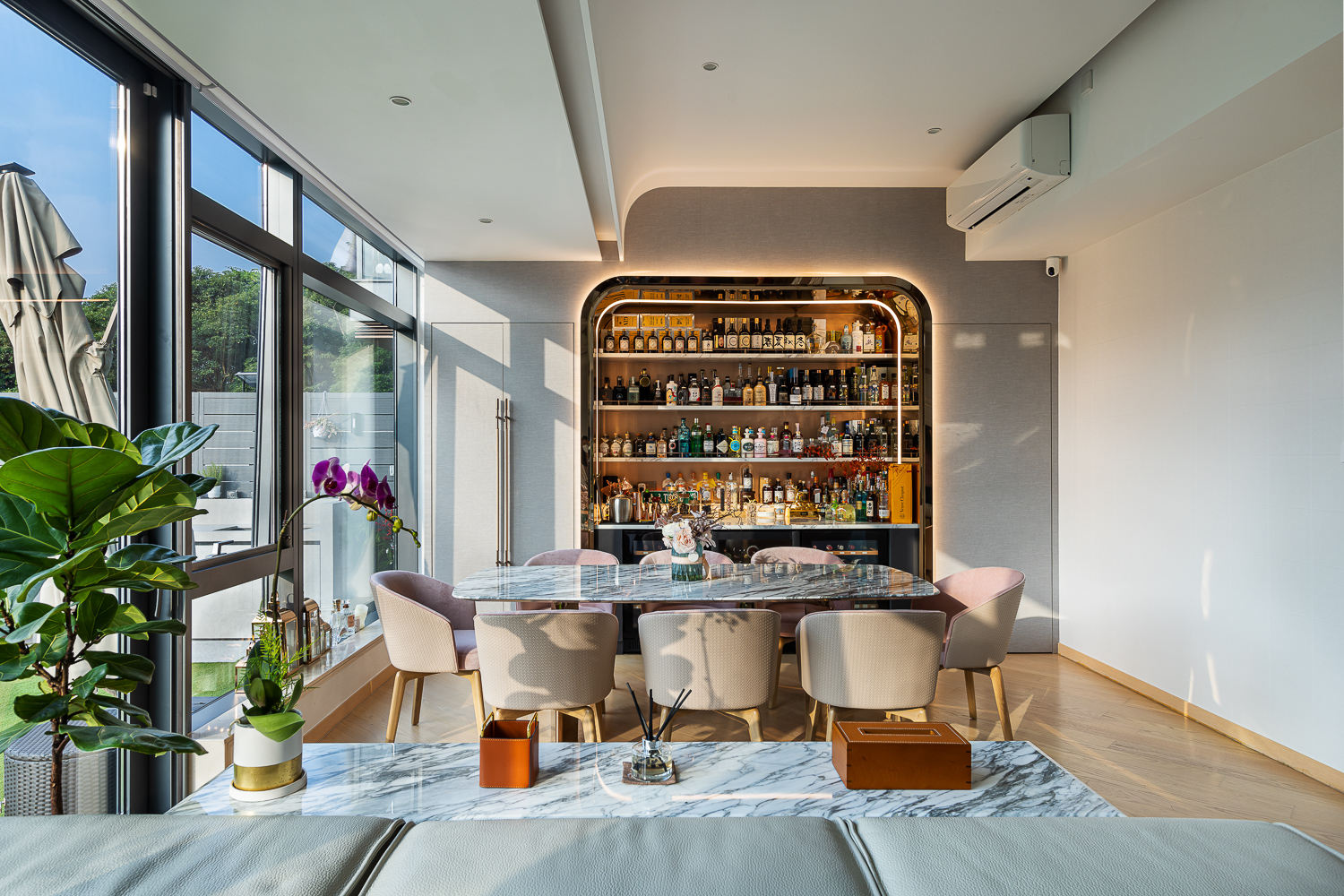
Dining area and open kitchen in a house interior

Detached houses in luxury districts such as Mid-Levels or Kowloon Tong, as well as village houses in the New Territories, can all be described as houses. They give residents a private retreat from busy city life, making a comfortable, welcoming and distinctive interior an aspiration for many households. ED Design shares several important considerations for creating a home that truly belongs to its residents.

1. Consider Hong Kong's Climate

Hong Kong's climate varies from humid summers to comparatively cool winters, so climate is a primary consideration in house interior design. Suitable materials and colours help maintain comfort through different seasons; breathable materials and fresh colour tones are practical options.

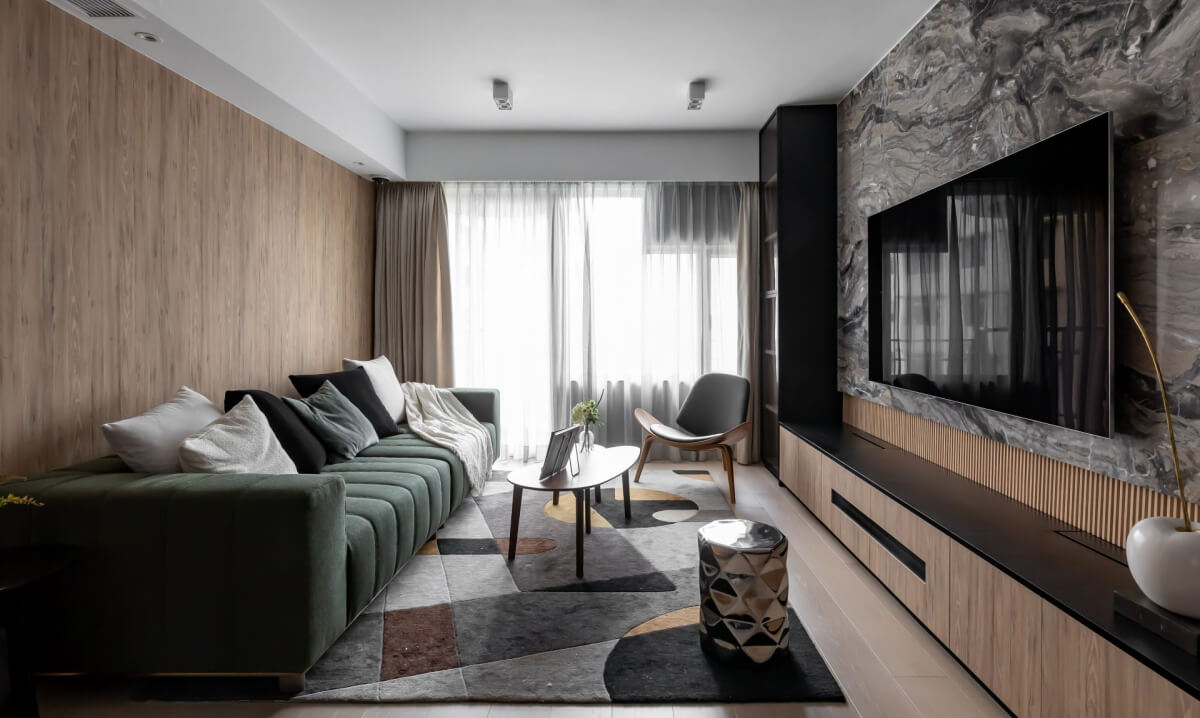
Living room and staircase design in a house

2. Make the Most of Natural Light

Residential space in Hong Kong is limited, but a house offers more opportunities for natural light to enter the interior. This is a valuable resource. Thoughtful window design and suitable curtains can create a bright, open feeling indoors while reducing energy use.

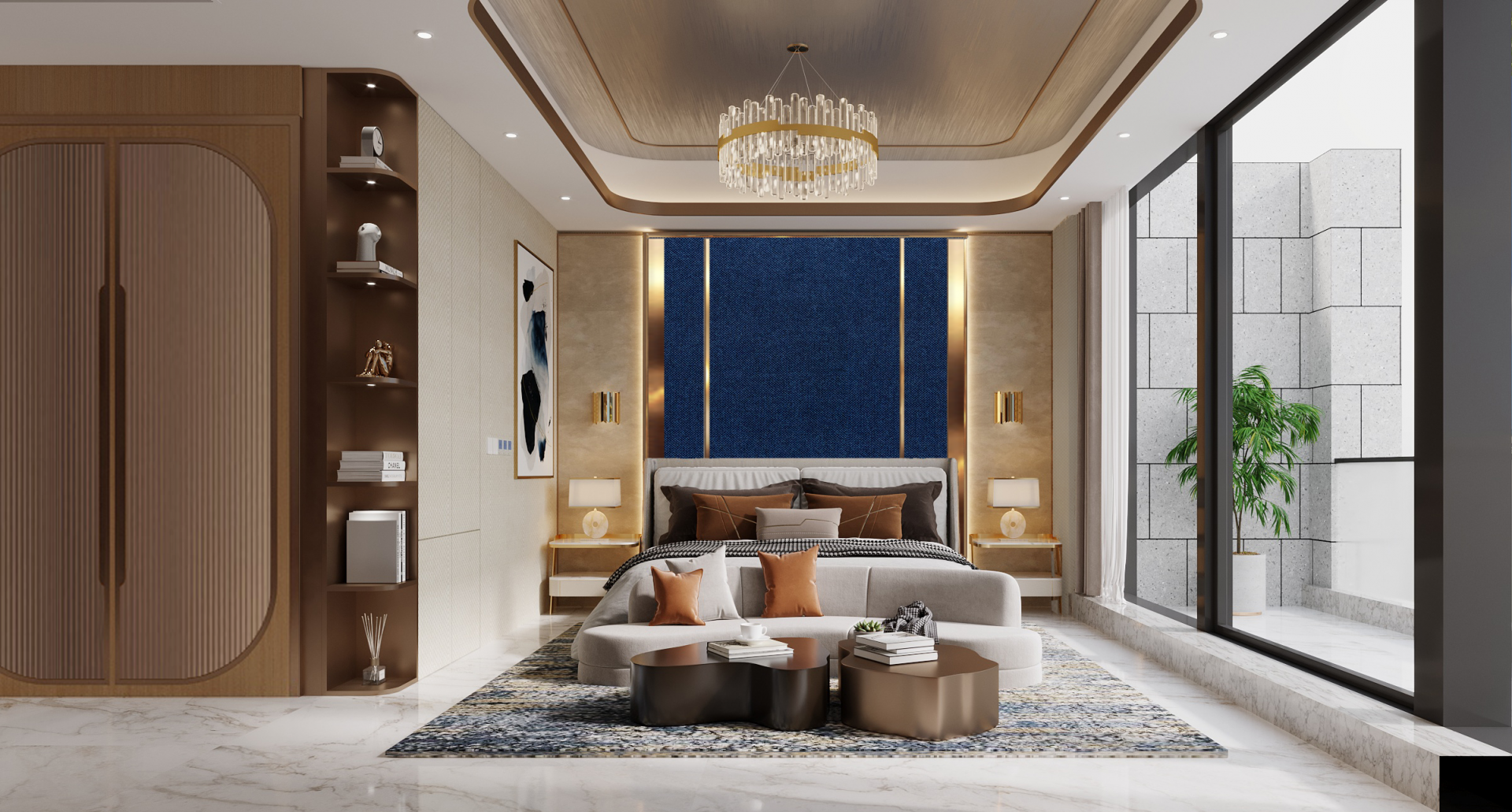
Bedroom television wall and storage design visualisation

3. Choose Multifunctional Furniture Wisely

As houses are generally more spacious than apartments, multifunctional furniture can help make full use of the available area. An extendable dining table or a sofa with built-in storage, for example, makes the space more adaptable for everyday use and unexpected guests.

Bedroom with a window-side sitting area in a house

4. Put Each Family Member's Needs First

In a comfortable home, every family member should be able to find a place of their own. House design should consider each person's needs: convenient living areas for older residents, safe and engaging play spaces for children, and private resting areas for adults.

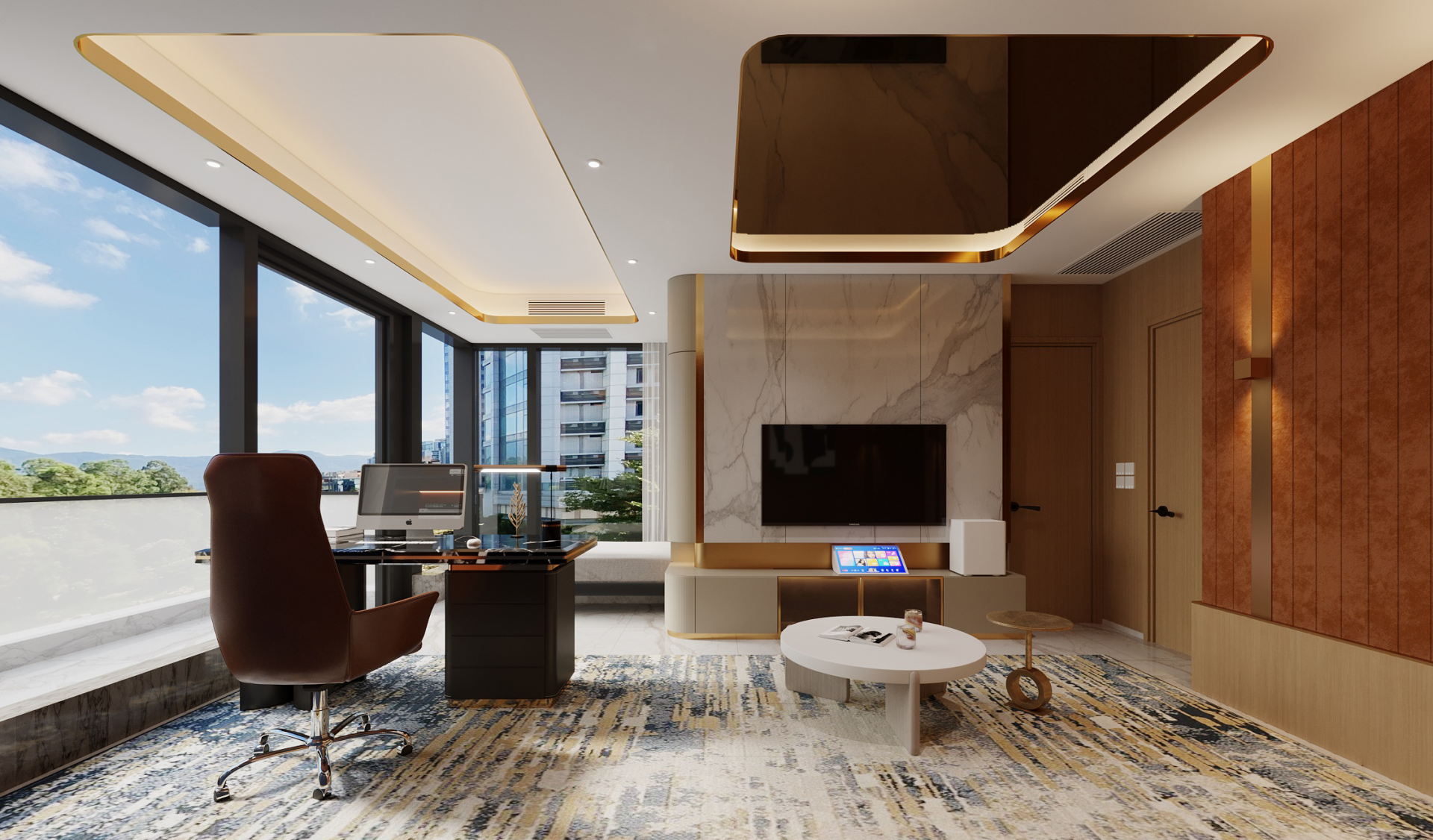
Study-room design visualisation for a house

5. Preserve Privacy and Plan for Storage

Compared with an apartment, a house offers more space but also calls for more storage. Thoughtful design can meet both needs. Giving each family member a private area—whether a study, studio or small balcony—can improve daily life, while concealed storage helps keep the home orderly.

Window-side sitting area in a house living room

In summary, house design is not only the art of using space; it also depends on a careful understanding of the client's needs. Considering climate, maximising natural light, choosing multifunctional furniture and responding to individual family members can create a lively and enjoyable home. House design is more than a style—it is an investment in quality of life.